Retail Colocation: Transforming Your Business With Advanced Data Center Solutions
Retail colocation provides a valuable opportunity for businesses seeking effective IT infrastructure solutions. By utilizing space in shared data centers, companies can considerably lower costs and improve operational performance. This approach allows companies to dedicate attention to their core operations while leveraging advanced security features and flexible resources. However, the move to embrace retail colocation involves a number of important factors that can affect long-term outcomes. What considerations should companies assess to ensure they make the best decision?
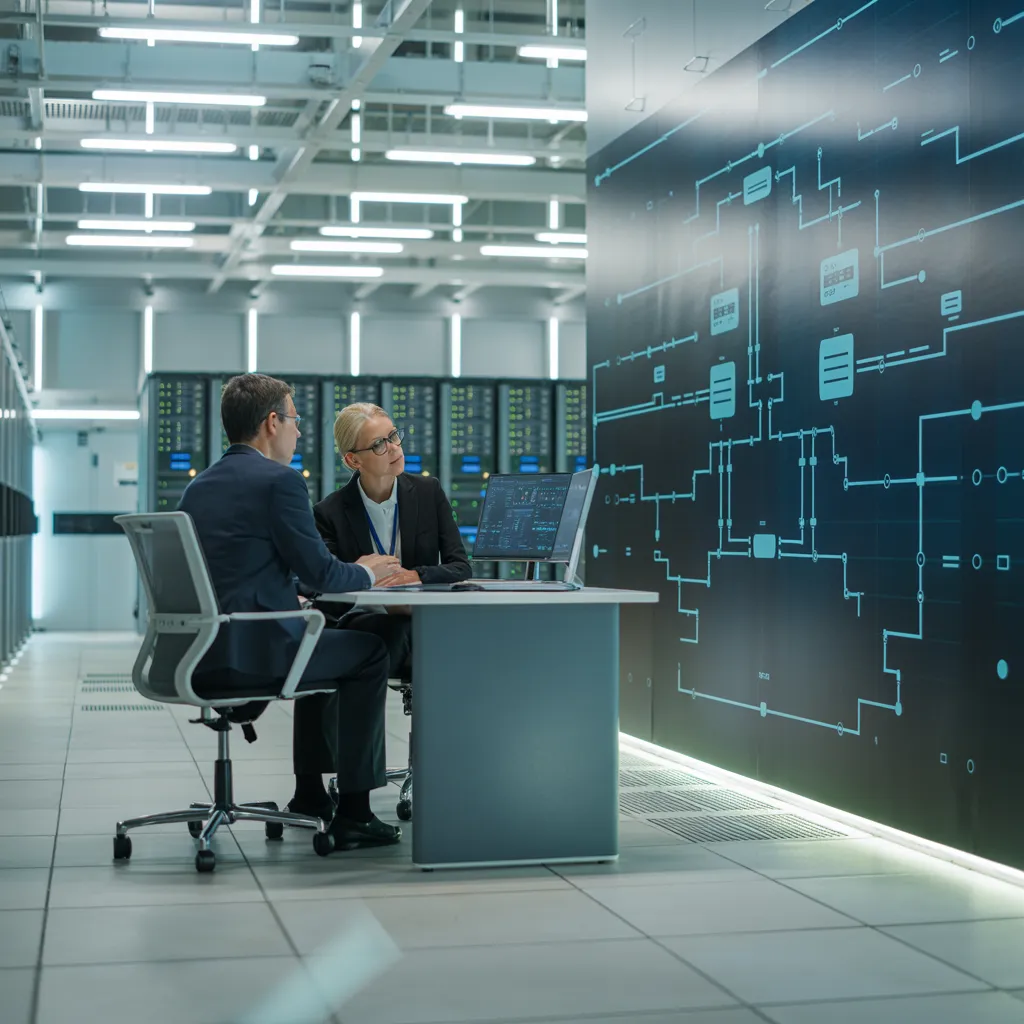
A Deep Dive into Retail Colocation: An All-Inclusive Overview
Retail colocation offers businesses a flexible and cost-effective solution for managing their IT equipment. This model allows organizations to rent space within a data center, supplying critical resources including electrical power, climate control, and security. By co-locating within a shared facility, organizations can lower expenses related to developing and managing their own dedicated data centers.
Retail colocation centers are outfitted with cutting-edge technology, providing reliable and flexible operations. Organizations gain access to high-performance internet connectivity, backup power systems, and stringent security protocols, which are typically more challenging to implement independently.
Moreover, retail colocation allows businesses to focus on their core competencies as opposed to handling physical infrastructure. It provides a broad spectrum of choices to meet different demands, from small startups to large enterprises. This model fosters an environment where enterprises can smoothly transition to changing technological requirements while maintaining operational efficiency.
5 Key Advantages of Retail Colocation for Business Growth
Five key advantages highlight why companies are increasingly selecting colocation as a practical approach for expansion. First, colocation provides cost efficiency by minimizing the expenses associated with establishing and managing an in-house data center. Second, it enables scalability, allowing businesses to expand their infrastructure without significant investment. As a third advantage, enhanced reliability is an critical benefit; colocation facilities often come with redundant power, cooling, and connectivity, ensuring uptime. As a fourth consideration, access to advanced technology is a notable advantage, as colocation centers typically feature state-of-the-art equipment that may be economically impractical for individual businesses. Finally, colocation fosters improved focus on core business activities. By outsourcing data center needs, companies can channel more energy toward strategic initiatives rather than technical upkeep. In summary, these advantages make retail colocation a compelling choice for businesses looking to optimize their operational efficiency and achieve expansion.
In What Ways Does Retail Colocation Enhance Data Security?
Although many companies acknowledge the importance of data security, few realize how colocation hosting can substantially strengthen their security protocols. By taking advantage of shared data center resources, companies gain access to sophisticated protective technologies that could prove too costly to implement alone. Such colocation environments typically feature robust physical security measures, including biometric authentication systems, video monitoring infrastructure, and on-site personnel, minimizing threats posed by unauthorized entry.
Additionally, these facilities often provide extensive cybersecurity measures, such as intrusion detection systems and firewalls, designed to safeguard critical data. Regular security audits and compliance with industry standards ensure that data stays secure against emerging threats. Moreover, the backup capabilities provided by colocation services secures uninterrupted data availability even during downtime, strengthening overall data protection. Ultimately, retail colocation not only streamlines resources but also reinforces data security, empowering enterprises to center on their key operations with enhanced confidence.
The Way Retail Colocation Provides Scalability and Flexibility
Retail colocation offers businesses the capacity to seamlessly grow their operations through dynamic resource management. This flexibility allows for rapid infrastructure expansion, enabling development without the need for extensive capital investment. Moreover, tailored solutions can be developed to address unique business requirements, improving overall flexibility in a rapidly evolving market.
On-Demand Resource Allocation
Scalability and adaptability are critical qualities in today's fast-paced digital landscape, and on-demand resource provisioning through colocation solutions efficiently addresses these demands. Retail colocation enables businesses to dynamically scale their IT resources based on real-time demands. This framework permits businesses to swiftly scale server capacity up or down, bypassing the prolonged delays inherent in traditional infrastructure procurement. By leveraging colocation facilities, businesses can access additional bandwidth, storage, and processing power as needed, enabling them to maintain agility when navigating evolving market conditions. This flexible model not only enhances operational efficiency but also lowers costs by removing the requirement for substantial initial capital investment. Essentially, retail colocation provides businesses with the capability to adjust effortlessly to shifting operational needs.
Fast-Paced Infrastructure Scaling
As businesses increasingly require rapid adjustments to their IT infrastructure, retail colocation emerges as an essential solution for supporting business expansion. This approach allows companies to quickly scale their operations without the challenge of major financial investments tied to developing and operating dedicated data facilities. By leveraging shared facilities, companies can secure additional capacity and bandwidth whenever required, ensuring that they can respond promptly to market changes or spikes in demand. Retail colocation additionally delivers the versatility to scale power and space allocations as company needs develop. With dependable systems and professional assistance, organizations can prioritize their fundamental aims while seamlessly growing their operational capacity, ultimately enhancing their competitiveness in a dynamic marketplace.
Tailored Solutions for Growth
Leveraging the capabilities of retail colocation, businesses gain an essential advantage in achieving both scalability and flexibility. This approach allows organizations to easily adjust their IT infrastructure in response to market demands. Through leveraging shared resources in a colocation facility, organizations can grow their operations without the significant initial expenses linked to constructing and managing their own data centers. The modular design of colocation services enables seamless integration of additional servers and networking equipment as needed. Furthermore, companies can rapidly reduce capacity during quieter periods, maximizing resource utilization. This responsiveness not only enhances operational efficiency but also supports innovation, allowing companies to focus on growth strategies while relying on robust data center solutions to manage their technological needs.
How to Choose the Right Retail Colocation Partner
Selecting the most suitable retail colocation partner requires a comprehensive review of infrastructure specifications. Businesses must determine their particular requirements to ensure alignment with possible providers. Furthermore, reviewing service level agreements is essential to confirm that the chosen partner meets performance and reliability standards.
Evaluate Infrastructure Requirements
When assessing operational requirements, organizations must carefully assess their specific needs to find the most suitable retail colocation provider. This process commences with identifying present and projected storage capacity needs, as well as bandwidth requirements. Companies must evaluate their growth projections and the likelihood of needing scalability within the colocation facility. Moreover, reviewing power and cooling systems is necessary, verifying the facility can handle demanding hardware configurations. Protective features, including on-site and network-based, need to be thoroughly examined to protect sensitive data. Finally, the geographic placement of the colocation center must be compatible with business continuity goals and connectivity demands. By evaluating these criteria, businesses can reach well-informed conclusions when selecting a retail colocation partner that most effectively meets their business objectives.
Analyze Service Level Agreements
Reviewing service contracts (SLAs) is a fundamental component in identifying the ideal retail colocation partner after reviewing infrastructure requirements. These agreements establish the expectations and responsibilities between the service provider and the business, including availability commitments, support response times, and security protocols. A detailed review of these documents can reveal critical strengths and vulnerabilities, maintaining consistency with company priorities. Critical elements to take into account include penalties for non-compliance, issue escalation protocols, and service credit provisions. Additionally, companies should evaluate the provider's track record in adhering to agreed-upon standards, as this reflects reliability and commitment to service quality. At the end of the day, a properly established SLA enables a clear and accountable relationship, empowering companies to strategically take advantage of data center solutions for improved business performance.
Cost-Effective Strategies for Maximizing Your Colocation Investment
Maximizing a colocation expenditure necessitates strategic planning and informed decision-making. Businesses can enhance cost-efficiency by thoroughly evaluating their needs before choosing a provider. This confirms consistency with provider capabilities and eliminates unneeded costs.
Implementing scalable solutions is another key strategy. By choosing a provider that allows for flexible scaling, companies can reallocate their resources based on shifting requirements, thereby minimizing waste.
Consistently evaluating and improving resource usage is essential. Utilizing monitoring tools can pinpoint inefficiently used assets, allowing companies to make informed decisions about reallocating or downsizing.
Securing advantageous conditions in service level agreements (SLAs) can also yield significant savings. Businesses should verify they have a clear understanding of all costs , including hidden fees.
Lastly, leveraging energy-efficient technologies can decrease overhead costs, greatly enhancing the colocation value. By focusing on these strategies, businesses can ensure their colocation services yield maximum benefits while facilitating company development.
Questions We Frequently Receive
What Types of Businesses Benefit Most From Retail Colocation
Organizations in finance, e-commerce, and technology fields benefit most from retail colocation services. Such industries need dependable infrastructure, high-speed connections, and flexible scalability, allowing them to enhance performance, reduce costs, and improve overall operational efficiency.
How Is Retail Colocation Different From Standard Data Centers?
Retail colocation differs from conventional data center solutions by delivering shared space, reduced costs, and flexible scalability. Organizations take advantage of access to advanced infrastructure and enhanced connectivity without the expenses tied to running a dedicated private facility.
What Are Common Myths About Retail Colocation?
Widespread misconceptions about retail colocation involve the false belief that it is exclusively designed for large enterprises, prohibitively costly, is deficient in security measures, and delivers insufficient scalability. In reality, it provides adaptability, reasonable pricing, and strong security measures ideal for organizations across different scales.
How Does Retail Colocation Affect Environmental Sustainability?
Retail colocation significantly influences ecological sustainability by optimizing energy usage, reducing carbon footprints, and promoting resource sharing. By consolidating infrastructure, it decreases unnecessary waste and enhances efficiency, contributing to greener data management practices in the industry.
What Are the Common Contract Terms for Retail Colocation Services?
Common contract terms for retail colocation offerings range from one to three years, although some providers may additional info provide month-to-month arrangements. Contract flexibility enables businesses to adapt their data center requirements as needs change.